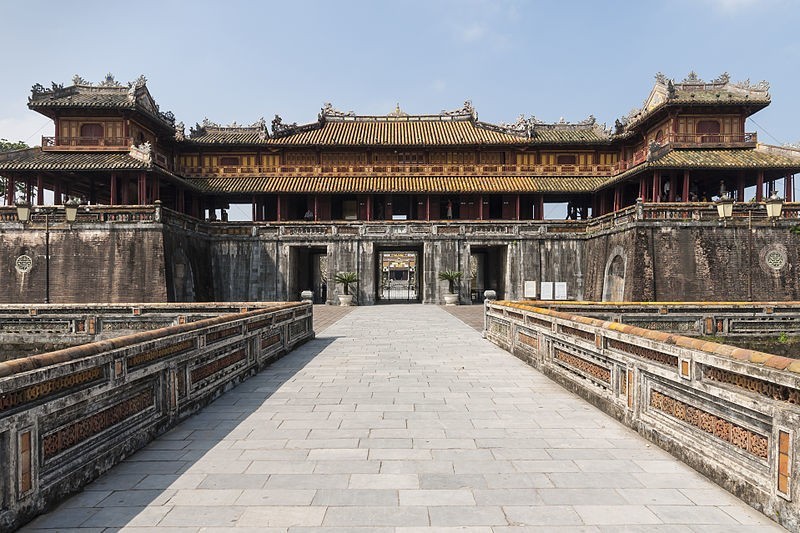



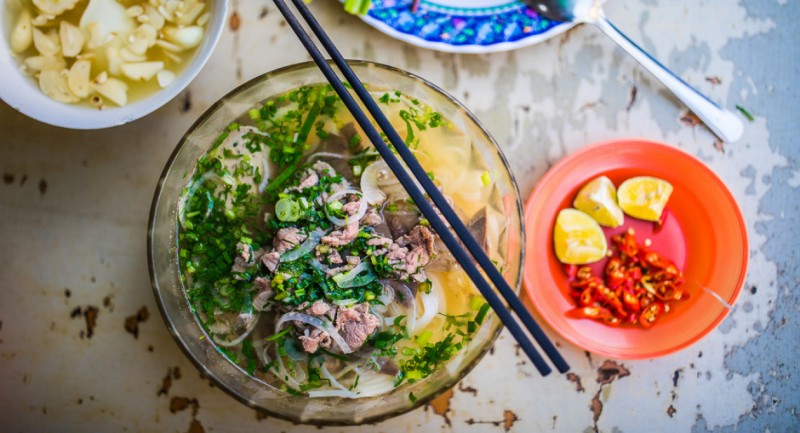
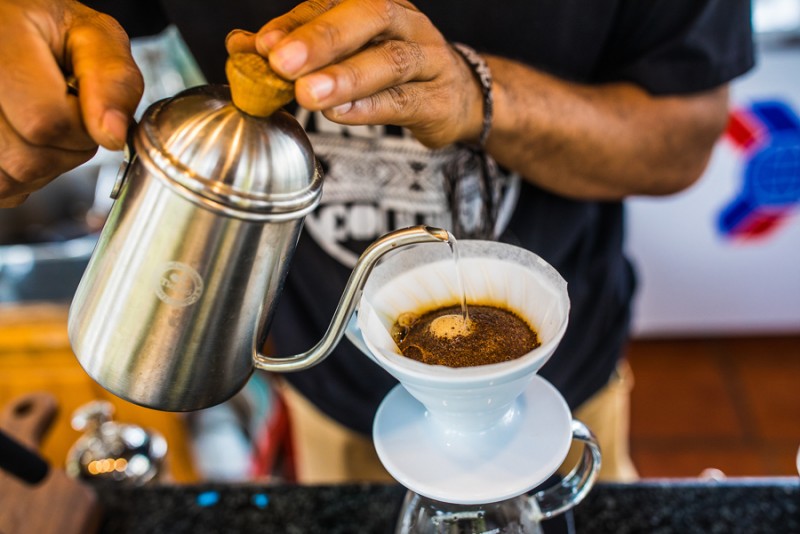
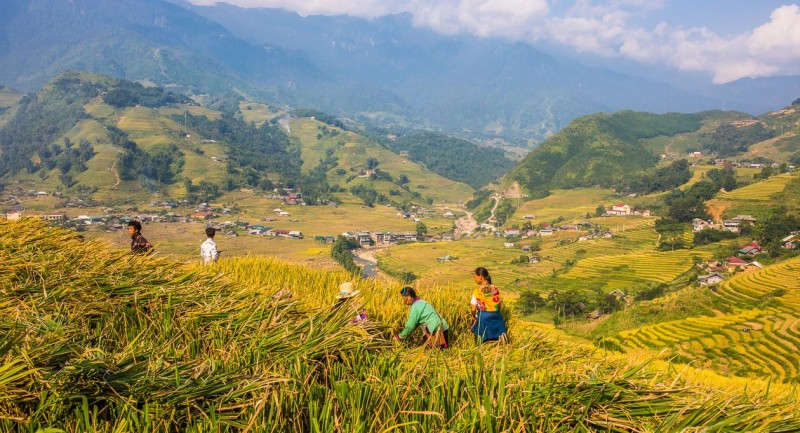
Compare Northern, Central and Southern Vietnam before choosing a route. Hanoi, Halong Bay, Sapa, Da Nang, Hoi An, Hue, Dalat, Ho Chi Minh City and Phu Quoc can work very differently depending on your available time, travel pace and group type.
Updated September 2026Quick Answer: Which Vietnam Tour Should You Choose?
For a first trip of around 4–6 days, focus on one region. Choose Hanoi–Halong Bay or Hanoi–Sapa for Northern Vietnam, Da Nang–Hoi An–Hue for Central Vietnam, or Ho Chi Minh City with the Mekong Delta, Dalat or Phu Quoc for Southern Vietnam.
With around seven days or more, selected regions can be combined, usually with domestic flights rather than long overland transfers.
Choose a Vietnam Tour by Travel Style
The same itinerary can feel very different for a couple, family, company group or educational visit. Choose the travel style first, then build the route around realistic transfer times and group requirements.
Private Vietnam Tours
Suitable for couples, families and groups of friends who want greater control over departure times, sightseeing pace, hotel category, transportation, meals and optional experiences.
Corporate & Incentive Vietnam
Vietnam offers hotels, meeting facilities, restaurants, cruises, cultural activities and destination experiences that can be combined around company objectives rather than a fixed leisure package.
Family & Multi-Generation
Family itineraries can reduce long road sectors, limit frequent hotel changes and balance sightseeing with free time.
Educational & Study Visit Groups
Programs can combine tourism with scheduled educational, institutional or cultural visits. Confirmed appointments should determine the route and timing.
Friends & Small Groups
Suitable for travelers who want a private vehicle and route flexibility without operating as a large series group.
Food, Culture & Local Experiences
Hanoi food, heritage, craft villages, Central Vietnam culture and Mekong experiences can be added when they fit the route and operating schedule.
Choose Your Vietnam Tour by Region
Vietnam extends a long distance from north to south. Choosing the right regional combination is usually more important than trying to include the highest possible number of cities.
Hanoi – Halong Bay – Ninh Binh – Sapa
Northern Vietnam combines historic Hanoi, limestone landscapes, Halong Bay, Ninh Binh and the mountain environment of Sapa. Hanoi is the principal gateway for most northern itineraries.
Best for: first-time visitors, scenery, culture, photography and mountain travel.
Route logic: Hanoi → Halong Bay / Ninh Binh / Sapa.
Da Nang – Hoi An – Hue
Central Vietnam combines convenient regional transport, beaches, heritage, culture and food. Da Nang provides a practical gateway for Hoi An, Ba Na Hills and Hue.
Best for: families, couples, corporate groups and compact itineraries.
Route logic: Da Nang → Ba Na Hills → Hoi An → Hue.
Ho Chi Minh City – Mekong – Dalat – Phu Quoc
Southern Vietnam offers several travel styles. Ho Chi Minh City works as the main urban gateway, Dalat adds a cooler highland environment, while Phu Quoc suits travelers looking for an island stay.
Best for: city travel, food, highlands, island holidays and repeat visitors.
Route logic: Ho Chi Minh City → Mekong / Dalat / Phu Quoc.
Combine Northern, Central and Southern Vietnam
Travelers with more time can combine different regions. Domestic flights are generally more practical than long overland sectors when connecting distant areas.
Example route: Hanoi → Halong Bay → Da Nang → Hoi An.
Longer route: Northern Vietnam → Central Vietnam → Ho Chi Minh City.
Northern Vietnam by Season: Hanoi September vs October 2026
Hanoi now has two connected seasonal guides on Indochina Explorer. Use them when travel dates fall in September or October before selecting Halong Bay, Ninh Binh or Sapa as the next part of the itinerary.
Hanoi Autumn Festival
September focuses on autumn atmosphere, heritage, local culture, traditional food and city experiences.
The Hanoi Autumn Festival 2026 guide uses the confirmed festival window of 1–30 September 2026 while reminding travelers that individual activities may not run every day.
Read Hanoi September Guide →Hanoi Craft Village Tourism & Gastronomy Festival
October adds food, traditional craft, local community and craft-village experiences to a standard Hanoi itinerary.
The published 2026 festival window is 1–31 October. Daily activities, locations and operating times should still be reconfirmed before travel.
Read Hanoi October Guide →Around 4 days — Hanoi + Halong Bay or Hanoi + Ninh Binh.
Around 5–6 days — Hanoi + Halong Bay with Sapa or Ninh Binh, depending on travel pace.
Around 7 days or more — Northern Vietnam can be combined with Da Nang, Hoi An or Hue when flights and timings work.
How Many Days Do You Need for a Vietnam Tour?
One Compact Route
Focus on Hanoi–Halong Bay, Hanoi–Sapa, Da Nang–Hoi An or another compact regional combination.
One Region in More Depth
Add another destination within the same region, such as Hanoi–Halong–Sapa or Da Nang–Hoi An–Hue.
Selected Multi-Region Trip
This is a practical range for combining selected regions with domestic flights where appropriate.
Broader Vietnam Journey
Suitable for multi-region travel or a slower itinerary with more local experiences and fewer rushed transfers.
Explore Real Vietnam Tour Programs
Indochina Explorer maintains actual Vietnam tour programs on the website. Use them as route references before requesting a customized itinerary.
Hanoi – Halong Bay – Da Nang
A North and Central Vietnam combination for travelers who want Hanoi and Halong Bay together with Da Nang, Ba Na Hills and Hoi An.
View Hanoi–Halong–Da Nang Tour →Compare More Vietnam Programs
Browse Hanoi, Sapa, Halong Bay, Central Vietnam, Dalat, Ho Chi Minh City and other route combinations.
Browse Vietnam Tour Collection →Tailor-Made Vietnam Tours
What Can Be Customized?
Depending on availability and operating conditions, planning can consider the route, number of nights, hotel category, transportation, guide service, meals, sightseeing pace, cruises and activities.
What Should You Send for a Quotation?
Send preferred destinations, travel dates, number of travelers, departure city, hotel category, group type and important requirements.
Continue Planning Your Vietnam Trip
Vietnam Travel Guide 2026–2027
Compare Northern, Central and Southern Vietnam, including Hanoi, Halong, Sapa, Da Nang, Hue, Dalat, Ho Chi Minh City and Phu Quoc.
Read Vietnam Travel Guide →Hanoi September 2026
Plan Hanoi during the autumn festival period and continue to Halong, Ninh Binh or Sapa.
Hanoi Autumn Festival Guide →Hanoi October 2026
Explore the food, traditional craft and local-community angle of Hanoi's October festival period.
Hanoi October Festival Guide →Real Vietnam Group Experience
Ho Chi Minh City – Mui Ne – Dalat
Real group journeys provide useful evidence of how a route works beyond a sample itinerary and can help with realistic route planning for organized groups.
Why Plan Vietnam with Indochina Explorer?
Tour Operator Since 1997
Experience in private travel, group arrangements, corporate travel, educational travel and tour coordination.
Licensed Tour Operator
Indochina Explorer (Thailand) Co., Ltd. operates under Tour Operator License 11/11211.
Real Tour Inventory
Visitors can move from destination research to actual route examples and quotation requests.
Route-Based Planning
We recommend choosing Vietnam by region, available travel time and group requirements before finalizing services.
Frequently Asked Questions About Vietnam Tours
What is the best Vietnam tour for first-time visitors?
For a short first trip, Hanoi–Halong Bay or Da Nang–Hoi An are practical starting points. Travelers with more time can combine selected regions.
How many days should I spend in Vietnam?
Four to six days works well when focusing on one region. Seven to nine days gives more flexibility for selected multi-region travel.
Can I combine Hanoi, Halong Bay and Sapa?
Yes, but the route becomes more comfortable with sufficient nights. With only four days, selecting one major excursion from Hanoi is usually more practical.
Can I combine Hanoi, Halong Bay and Da Nang?
Yes. A domestic flight can connect Northern and Central Vietnam, but the itinerary should still protect enough time for each destination.
Should I choose Sapa or Central Vietnam?
Choose Sapa for mountain scenery and Northern Vietnam. Choose Central Vietnam for Da Nang, Hoi An, Hue, beaches and generally more compact regional transfers.
What is different about Hanoi in September and October 2026?
September is connected with Hanoi Autumn Festival themes, while October adds the Hanoi Craft Village Tourism & Gastronomy Festival with food, craft and local-community experiences.
Are festival activities available every day?
Not necessarily. A festival date range does not mean every activity runs daily. Travelers should reconfirm the detailed event schedule before travel.
Can Vietnam tours be customized?
Yes. Routes, hotels, transportation, guide services, meals and activities can be reviewed according to the requested trip, subject to availability.
Do you arrange Vietnam family tours?
Yes. Family routes can reduce hotel changes and long transfer sectors, while allowing suitable sightseeing times and free time.
Can you arrange corporate and incentive tours in Vietnam?
Yes. Programs can include accommodation, transportation, guide services, restaurants, sightseeing and other ground arrangements.
Are website tour prices guaranteed?
No. Published prices and programs should be treated as references until current travel dates, services and availability are reconfirmed.
Where can I compare Vietnam destinations before choosing a tour?
Start with the Vietnam Travel Guide, then return to this Vietnam Tour Hub to compare real tour routes and request a quotation.
Vietnam Planning Flow
Destination research → Region decision → Seasonal guide → Real route reference → Quotation request.
This structure allows travelers to research Vietnam without being forced immediately into a fixed package while still providing a clear route toward actual tour products and customized planning.
Request a Vietnam Tour Plan
Send your preferred route or cities, travel dates, number of travelers, departure city, hotel category, group type and important requirements.
Example: Vietnam / 7 days / 12 travelers / Bangkok / Private Group / 4-star hotels / Hanoi–Halong Bay–Da Nang–Hoi An
Continue Your Southeast Asia Journey
Vietnam can be combined with other Indochina and Southeast Asia destinations depending on available days and transport connections.
Laos Tours · Cambodia Tours · Malaysia Travel · ASEAN Festival Calendar · Indochina Explorer
Indochina Explorer (Thailand) Co., Ltd. · Tour Operator Since 1997 · Tour Operator License 11/11211 · Office 02-814-9585 · Hotline 081-870-6343 · LINE indochina_thailand · LINE OA @stq9914p · Email indochinaexplorer99@gmail.com