Myanmar Tours: Yangon, Bagan, Mandalay, Inle Lake & Cultural Routes
Yangon • Shwedagon Pagoda • Bagan • Mandalay • Amarapura • Inle Lake • Bago • Golden Rock • Naypyidaw
Myanmar has an exceptional cultural landscape of Buddhist heritage, ancient cities, archaeological sites and traditional communities. Classic travel interests include Yangon and Shwedagon Pagoda, Bagan's temple landscape, Mandalay and Amarapura, and Inle Lake.
Travel planning in 2026 requires a different approach from a normal Southeast Asia holiday. Security conditions, regional restrictions, transport access, visa status and local operations can change. For this reason, this page should be used as a Myanmar route-planning and travel-research hub, not as confirmation that every traditional route is currently operating.
Quick Answer: How Should You Plan Myanmar Travel in 2026?
Start with the exact destination and travel date, not an old package itinerary. Yangon, Bagan, Mandalay and Inle Lake should be assessed separately because current conditions are not identical across Myanmar.
For cultural route research, Yangon + Bagan is a logical starting concept. Mandalay or Inle Lake can then be considered only after current regional conditions, transport and entry arrangements have been checked.
Myanmar Travel Notice — Check Current Conditions Before Planning
Important for 2026 Travel Planning
International government travel advisories currently contain significant warnings for Myanmar. Some areas are subject to advice against all travel, while others are subject to advice against all but essential travel. Conditions can change at short notice.
A destination appearing on this website does not mean that Indochina Explorer is confirming that travel there is currently recommended, available or appropriate. Existing tour programs can be useful for understanding traditional route structure, but current feasibility must be checked separately.
Before Considering a Myanmar Route
Check the travel advisory issued for your nationality.
Check the exact state, region and city rather than Myanmar only at country level.
Verify domestic flights and ground transport.
Reconfirm hotel and sightseeing operations.
Check current visa and immigration status.
Review travel-insurance exclusions connected with official travel advisories.
Avoid assuming that a route operated in a previous year still operates unchanged.
Indochina Explorer planning policy: Myanmar programs are treated as route references until current operating conditions have been reconfirmed for the requested travel dates.
Which Myanmar Route Matches Your Travel Interest?
The following combinations explain how traditional Myanmar itineraries are structured. They are useful for route research, but they are not statements of current availability.
AEO answer: For a first Myanmar cultural journey, Yangon and Bagan form the strongest conceptual starting point: Yangon for Buddhist and urban heritage, Bagan for archaeology and temple landscapes. Add additional regions only after current conditions are checked.
Myanmar Destinations — What Makes Each Place Different?
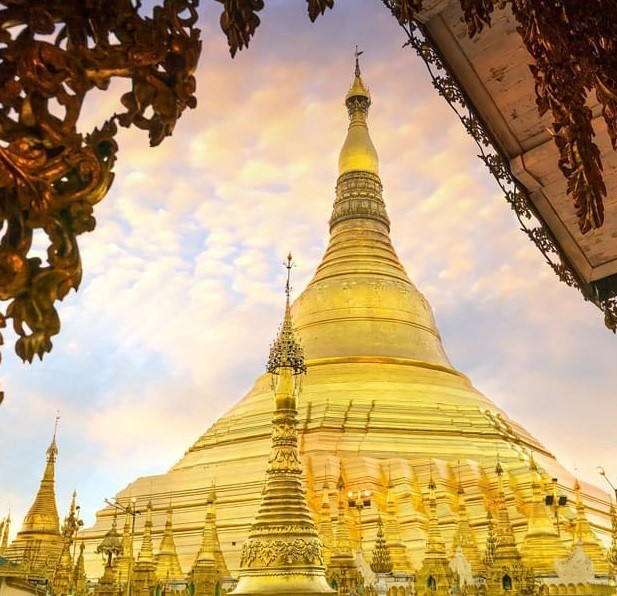
Yangon — Shwedagon Pagoda & Urban Heritage
Yangon provides one of Myanmar's most recognisable cultural introductions. Shwedagon Pagoda is the defining landmark, while the wider city adds Buddhist sites, markets and colonial-era urban architecture.
Current international advice still describes a heightened security risk in Yangon, so even a Yangon-focused itinerary requires a fresh assessment before travel.
Bagan — Ancient Temple Landscape
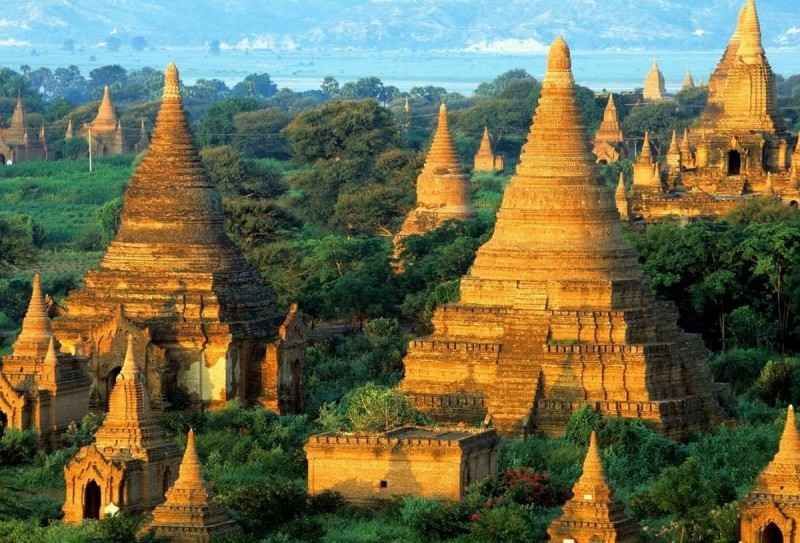
Bagan is one of Myanmar's defining archaeological destinations. Its importance comes from the scale of the historic temple landscape rather than from one monument alone.
Traditional sightseeing includes major temples, archaeological landscapes and cultural photography. Transport access, site operations and current regional conditions should be reconfirmed for the actual travel period.
Mandalay & Amarapura — Upper Myanmar Culture
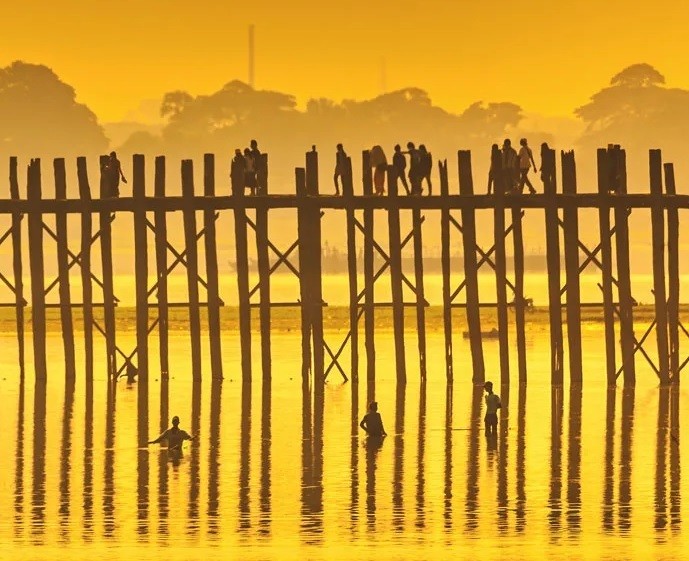
Mandalay traditionally adds royal-era heritage, Buddhist culture, traditional crafts and access to Amarapura. U Bein Bridge is one of the region's best-known cultural landscapes.
Mandalay Region is specifically addressed in current international travel advisories. It should therefore not be added automatically to an itinerary simply because it forms part of a traditional Myanmar route.
Inle Lake — Lake Landscapes & Communities
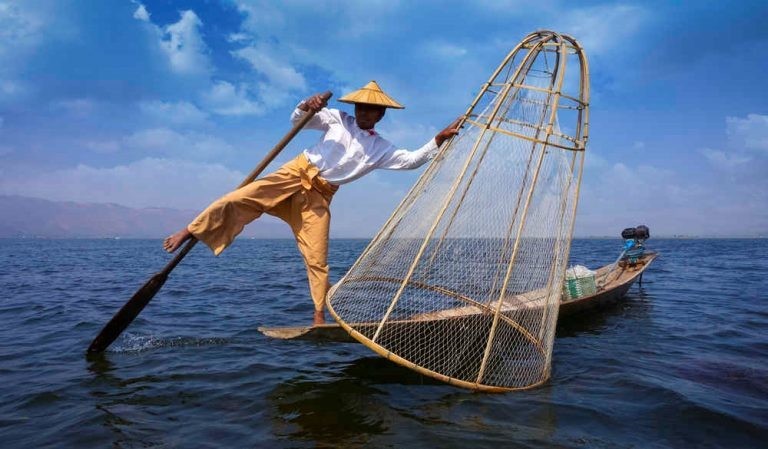
Inle Lake provides a strong contrast to Myanmar's temple cities. Traditional experiences include boat journeys, floating gardens, villages and local craft communities.
Because Inle is in Shan State, the exact regional situation should be checked carefully before it is considered for a current itinerary.
Bago & Golden Rock
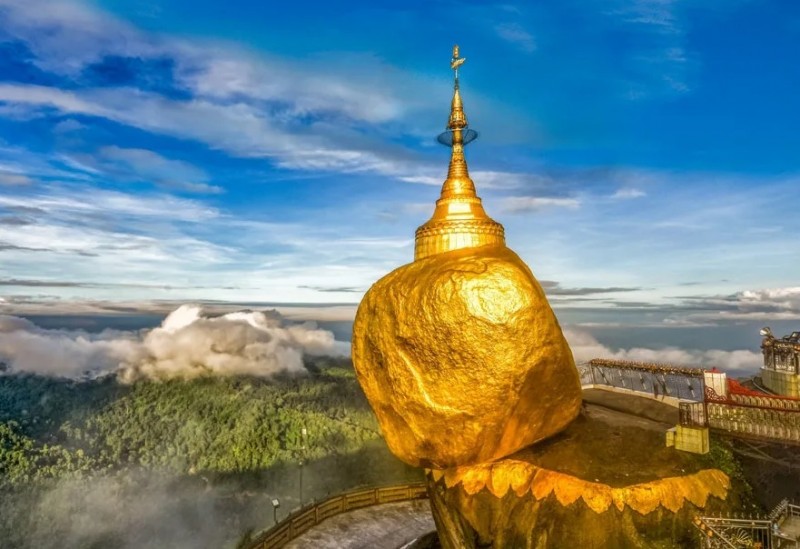
Bago and Golden Rock traditionally form an important Buddhist heritage extension from Yangon. They can add pilgrimage, religious architecture and regional landscapes to a Yangon-focused journey.
However, Bago Region is specifically covered by current regional travel warnings. A historical Yangon–Bago–Golden Rock itinerary must therefore be reassessed before use.
Naypyidaw — Modern Capital Perspective
Naypyidaw offers a very different perspective from Yangon, Bagan and Mandalay, with planned urban landscapes, wide avenues and modern government-era architecture.
It may be relevant for specialised, educational or modern-urban-interest journeys, subject to current travel and operating conditions.
Myanmar Route Comparison
Yangon vs Bagan
Choose Yangon for Shwedagon Pagoda, Buddhist heritage and urban history. Choose Bagan for archaeology, ancient temples and historic landscapes. For cultural research, the two destinations complement each other rather than compete.
Bagan vs Mandalay
Choose Bagan when archaeology and temple landscapes are the main interest. Choose Mandalay for Upper Myanmar culture, Amarapura and royal-era heritage, subject to current regional conditions.
Bagan vs Inle Lake
Bagan is primarily a cultural and archaeological experience. Inle Lake traditionally offers landscapes, boat travel and community life. Combining them creates variety, but current transport and regional conditions must first support the route.
Yangon vs Yangon + Golden Rock
A Yangon-only concept reduces road travel. Golden Rock adds a major Buddhist pilgrimage experience, but also introduces travel through Bago Region, which requires separate current-condition assessment.
How Many Days Does a Myanmar Cultural Route Need?
3–4 Days
Keep the route focused on one or two areas. For itinerary research, a compact Yangon-focused journey or Yangon + Bagan concept is more coherent than trying to cover several distant regions.
5–6 Days
Historically this can support a three-area cultural itinerary. For current planning, every transport sector and region should be assessed independently before the route is treated as operational.
7–9 Days
Traditional classic itineraries can combine Yangon, Bagan, Mandalay and Inle Lake. This should now be viewed first as a route concept, not a guaranteed operating sequence.
10 Days+
Longer journeys allow slower pacing, but additional days should not be used simply to add regions with uncertain accessibility. A shorter verified itinerary is preferable to a longer route based on outdated assumptions.
Planning rule: For Myanmar, route quality should be measured by current feasibility + sensible pacing, not by the number of destinations listed in the itinerary.
Existing Myanmar Programs — Use as Route References
Indochina Explorer maintains historical and existing Myanmar program material covering Yangon, Bago, Golden Rock, Mandalay, Bagan and Inle Lake. These pages are useful for understanding route structure, sightseeing sequence, hotel nights and traditional program design.
Important Before Using an Existing Program
An existing product page, price or itinerary is not confirmation of current operation. Some older products may be unavailable or marked out of stock. Current transport, hotels, entry status, regional conditions and supplier operation must be reconfirmed before quotation or booking.
Mandalay – Bagan – Inle – Amarapura 5 Days
This program demonstrates the structure of a traditional Upper Myanmar route linking Mandalay, Bagan and Inle Lake. The current website status should be checked before use, and the itinerary should be treated as a route reference.
Rather than selecting an old program and assuming it operates unchanged, send the proposed travel dates and destinations first. The route can then be reviewed against current conditions.
The official Myanmar eVisa website currently displays a notice stating that tourist visa applications are temporarily suspended. Do not assume that older tourist eVisa instructions remain available simply because they appear in historical travel information.
The status can change. Always check the official system again and verify the requirements applicable to your nationality before making travel arrangements.
Entry requirements depend on nationality, passport, visa status, purpose of travel and the rules in force at the time of travel. Entry and exit points can also matter, particularly when border operations change.
Before Departure, Verify
Passport validity.
Current tourist visa availability.
Visa eligibility for your nationality.
Permitted entry and exit points.
Airline documentation requirements.
Return or onward travel requirements where applicable.
Current government travel advisory.
Travel-insurance validity and exclusions.
Do not separate visa planning from route planning. Receiving permission to enter a country does not mean every destination inside that country is suitable or accessible for travel.
Myanmar Route Safety & Operational Planning
Myanmar conditions should be assessed at regional level. Different states and regions can have very different risk levels, transport conditions and restrictions.
Yangon
Current international advice describes a heightened risk in Yangon even where blanket advice against travel may not apply. Local conditions can change at short notice.
Mandalay Region
Current international advice includes significant warnings for Mandalay Region, with stronger warnings applying to parts of the region. Any Mandalay itinerary therefore requires a fresh review.
Bago Region
Current advice also distinguishes between different parts of Bago Region. This matters for traditional Yangon–Bago–Golden Rock journeys and for road travel north from Yangon.
Shan State / Inle Planning
Because Inle Lake is located within Shan State, a generic statement that “Inle is open” is not sufficient for responsible itinerary planning. The exact location, transport route and current regional situation should be reviewed.
Road Travel
Do not assume that a road used by traditional tour programs remains suitable simply because it is geographically open. Security conditions, night travel, checkpoints, local restrictions and road incidents can affect route planning.
Best Time to Visit Myanmar — Weather vs Travel Conditions
Myanmar has traditional tourism seasons, but in current planning weather suitability and travel suitability are two different questions. Route feasibility should be checked first.
November–February
Traditionally associated with cooler and drier conditions in many classic cultural destinations, making outdoor sightseeing more comfortable.
March–May
Hot conditions can make long temple visits demanding, especially in central Myanmar. Traditional itineraries benefit from early starts and reduced outdoor activity around midday.
June–October
Rain and seasonal transport disruption can add another layer of complexity. Weather should be considered together with current local operating conditions.
Best-time answer: Do not choose Myanmar travel dates from weather charts alone. First determine whether the proposed route is currently appropriate, then compare climate and seasonal conditions.
Myanmar Travel by Interest
Buddhist Heritage & Pilgrimage
Myanmar has long been important for travellers interested in Buddhist faith, architecture and pilgrimage. Yangon and Shwedagon Pagoda are among the best-known starting points for understanding this heritage.
Archaeology & Cultural Heritage
Bagan is the strongest traditional destination for archaeological and temple-landscape interests. A cultural itinerary may also include Mandalay and Amarapura when current conditions permit.
Private Cultural Journey
Private route design allows hotel changes, sightseeing duration, transport and daily pacing to be adjusted once current route feasibility has been established.
Senior & Easy-Pace Planning
For senior travellers, consider walking surfaces, temple access, heat, transfer duration and hotel changes. A shorter and simpler verified route is preferable.
Study & Special-Interest Travel
Myanmar may be researched for Buddhism, archaeology, history, architecture and culture. Special-interest travel still requires the same current regional assessment as leisure travel.
How We Review a Myanmar Route Before Quotation
1. Start With the Actual Travel Dates
Myanmar conditions can change, so the travel period must be known before an older itinerary is converted into a current proposal.
2. Identify Every Destination
Yangon, Bagan, Mandalay, Inle Lake and other regions should be assessed individually rather than treating the whole country as one operating zone.
3. Review Transport
Flights, road transfers and other connections must be checked against the proposed sequence.
4. Review Ground Operations
Hotels, vehicles, guides, sightseeing access and local suppliers need fresh confirmation.
5. Review Entry Requirements
Visa and immigration status must be checked for the traveller's nationality and proposed entry point.
6. Only Then Build the Quotation
The final itinerary should be based on current information rather than simply copying a package published in a previous travel season.
Send us: travel dates • nationality • number of travellers • preferred destinations • number of days • entry/exit points • hotel category • travel style
Looking for Temples & Heritage? Compare Nearby ASEAN Routes
If the main objective is Buddhist heritage, ancient architecture or Indochina culture rather than Myanmar specifically, nearby destinations may offer alternative route options.
Indochina Explorer (Thailand) Co., Ltd. develops private, group and special-interest journeys across Thailand, Indochina and Southeast Asia.
Licensed Tour Operator
TAT Tour Operator License 11/11211 TTPA 01-035 | ATTA 02498 | TTAA 861 | ADT1-0383-0947
Existing Myanmar Route Knowledge
The website contains route material covering Yangon, Bagan, Mandalay, Inle Lake, Naypyidaw and Buddhist pilgrimage travel. This historical route knowledge is useful when combined with a fresh operating assessment.
Why Current Verification Matters
For Myanmar, responsible travel planning means clearly separating destination knowledge from current travel feasibility. A familiar itinerary should not be represented as currently operating until its essential components have been checked.
Myanmar Travel FAQ 2026–2027
Can I travel to Myanmar in 2026?
Travel feasibility depends on nationality, the exact region, entry status and current conditions. Check official travel advice and the proposed route before making a decision.
Is Myanmar currently a normal leisure-tour destination?
It should not be treated like a normal unrestricted destination. Current international travel advisories contain significant warnings, and conditions vary by region.
Which destinations are traditionally included in a classic Myanmar route?
Traditional cultural routes commonly include Yangon, Bagan, Mandalay and Inle Lake. Their historical inclusion does not confirm current feasibility.
Where should a first Myanmar cultural journey start?
For route research, Yangon and Bagan provide a strong conceptual combination: Yangon for Buddhist and urban heritage and Bagan for archaeology and temple landscapes.
Is Yangon worth visiting?
Yangon is culturally important for Shwedagon Pagoda, Buddhist heritage, markets and historic urban architecture. Current conditions still need to be reviewed.
Is Bagan worth visiting?
Bagan is one of Myanmar's defining cultural destinations and is especially important for archaeology, historic architecture and temple landscapes. Current access and transport should still be verified.
Should Mandalay be included?
Mandalay adds Upper Myanmar culture, Amarapura and royal-era heritage, but current regional travel advice should be checked before including it.
Can Inle Lake be combined with Bagan?
Historically, yes. The destinations provide contrasting temple and lake experiences, but the relevant regional and transport conditions must be checked for current travel.
Can I travel from Yangon to Golden Rock?
This is a traditional pilgrimage route, but it passes through Bago Region. Current regional advice and ground conditions must therefore be checked before planning it.
What is the best time to visit Myanmar?
November to February is traditionally one of the more comfortable weather periods for many classic destinations, but current travel conditions take priority over climate.
Is Myanmar tourist eVisa currently available?
The official Myanmar eVisa website currently displays a temporary suspension notice for tourist visa applications. Check the official system again before making travel arrangements.
Can an old Myanmar tour program be booked exactly as published?
It should first be treated as a route reference. Transport, hotels, sightseeing access, entry requirements and current regional conditions need fresh confirmation.
Is Myanmar suitable for senior travellers?
Any route must first pass the same current-condition assessment. If a journey is appropriate, reduce unnecessary transfers and consider walking, temple access, heat and hotel changes.
Can Indochina Explorer arrange a private Myanmar route?
A private itinerary can be researched and designed, but quotation and confirmation should follow a current assessment of the proposed route and travel dates.
What information is needed for a Myanmar route check?
Send travel dates, nationality, number of travellers, preferred destinations, number of days, hotel preference and proposed entry and exit points.
What if Myanmar is not appropriate for my travel dates?
If your main interest is Buddhist heritage, archaeology or Southeast Asian culture, Cambodia, Laos or Thailand can be considered as alternative routes.
Continue Your Myanmar & Southeast Asia Research
Use this page as the Myanmar Country Hub, then continue to the website's deeper Myanmar route material for destination and itinerary research. Always return to the current-condition check before treating an older route as operational.
Send the proposed travel dates, nationality, number of travellers, destinations and number of days. The first step is to review the route against current entry, transport, regional and ground-operating conditions.
Example route-check request: Myanmar • January 2027 • 6 Days • 8 Travellers • Yangon + Bagan • Thai Passports • Private Group • 4-Star Hotels