Angkor Wat • Angkor Thom • Ta Prohm • Banteay Srei • Phnom Kulen • Tonle Sap • Phnom Penh • Battambang • Koh Ker • Preah Vihear
Cambodia is much more than a single visit to Angkor Wat. A well-designed journey can combine the great temples of Siem Reap with Tonle Sap, Phnom Kulen, remote Khmer temples, Phnom Penh, Battambang and overland routes connecting Thailand with Cambodia.
The best Cambodia itinerary depends on whether your priority is Angkor archaeology, Khmer culture, photography, local communities, overland travel or a deeper multi-city journey.
Quick Answer: Which Cambodia Tour Should You Choose?
For a first Cambodia trip, allow about 3 days for Siem Reap, Angkor Wat, Angkor Thom, Ta Prohm and Banteay Srei. Add a fourth day for Phnom Kulen or more local experiences.
Choose Phnom Penh + Siem Reap when you want both the modern capital and Angkor. Choose Koh Ker, Beng Mealea or Preah Vihear when you have already seen the classic Angkor temples or want a deeper archaeology-focused journey.
Start by deciding how deeply you want to explore Cambodia. For a short first trip, Siem Reap should normally receive more time than additional long road transfers. For longer journeys, Phnom Penh, Battambang and remote temple areas add important context beyond Angkor.
First-Time Cambodia: Siem Reap → Angkor Wat → Angkor Thom → Ta Prohm
Classic Angkor: Angkor Wat → Angkor Thom → Bayon → Ta Prohm → Banteay Srei
Deep Cambodia: Phnom Penh → regional Cambodia → Siem Reap
Planning recommendation: If you have only 3 days, focus on Siem Reap and Angkor rather than spending too much time transferring between cities. With 4–5 days, add Phnom Kulen, Tonle Sap or one remote temple sector. For 6–8 days, Phnom Penh + Siem Reap or a deeper Cambodia route becomes much more practical.
Cambodia Destinations — Where Should You Go?
Siem Reap — Best Base for Angkor
Siem Reap is the most practical base for exploring the Angkor region. The city has hotels, restaurants, markets and visitor services while providing access to Cambodia's most important archaeological sites.
For first-time visitors, Siem Reap deserves at least two full sightseeing days if Angkor is the main purpose of the journey.
Angkor Wat
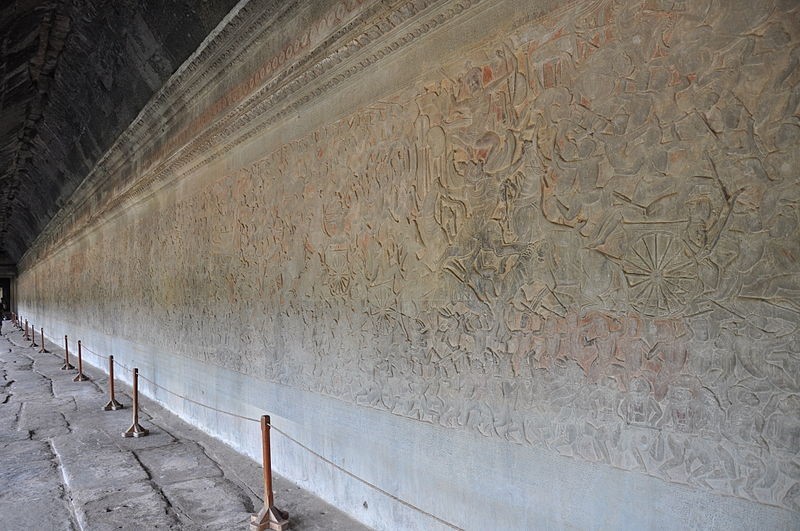
Angkor Wat is Cambodia's signature monument and should not be treated as a quick photo stop. Allow enough time to understand the architecture, galleries, bas-reliefs and wider temple landscape.
Early starts can help with temperature, light and visitor flow, but the best schedule depends on the group, weather and the day's temple sequence.
Angkor Thom & Bayon
Angkor Thom was a major Khmer capital and includes the famous Bayon temple. It provides a different experience from Angkor Wat through monumental gates, stone faces and the broader royal-city landscape.
Ta Prohm
Ta Prohm is known for the relationship between temple architecture and large tree roots. It adds a contrasting atmosphere to the more formal architecture of Angkor Wat and Angkor Thom.
Banteay Srei
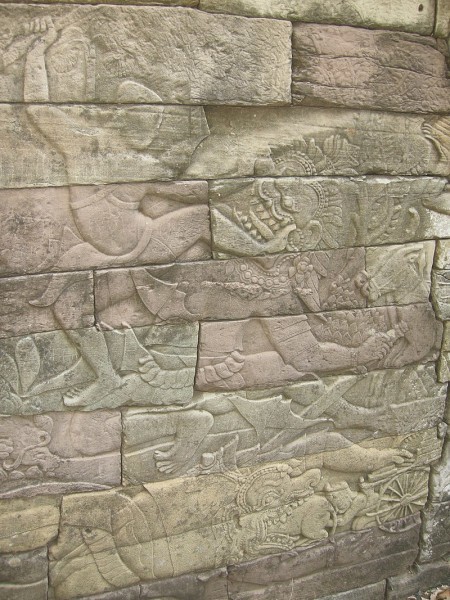
Banteay Srei is particularly valuable for travellers interested in Khmer stone carving and detail. Its smaller scale and decorative sandstone work make it a useful contrast to the monumental Angkor temples.
Phnom Kulen
Phnom Kulen can extend an Angkor itinerary with landscapes, religious sites and local experiences beyond the central temple zone. It works particularly well when the trip has four days or more.
Tonle Sap
Tonle Sap adds a living-community dimension to a temple-focused trip. Depending on season, water level and selected community, a visit can introduce travellers to settlements and livelihoods connected with Cambodia's great lake.
Phnom Penh
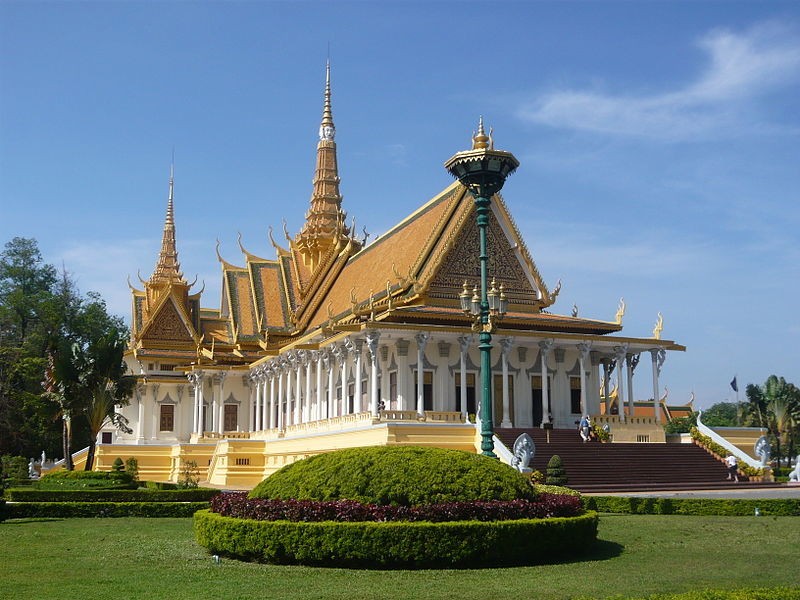
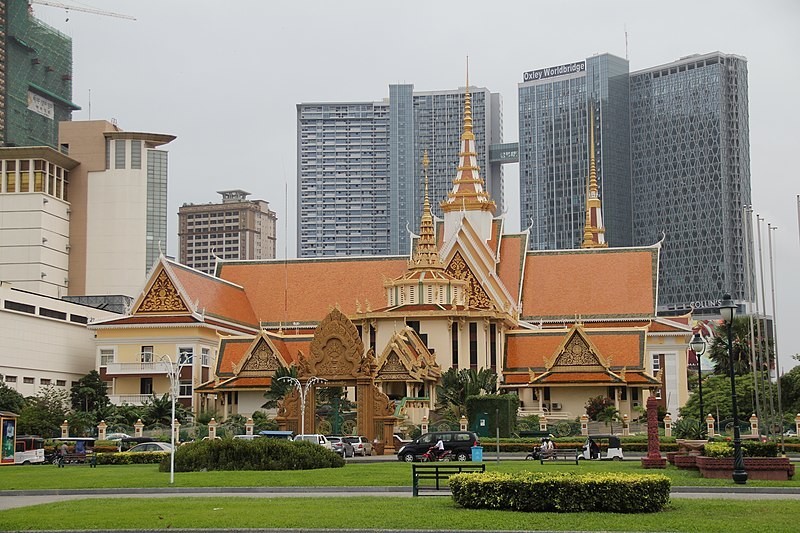
Phnom Penh adds Cambodia's modern capital, royal heritage and twentieth-century history to the journey. It is a strong complement to Siem Reap because the two cities explain very different periods of Cambodian history.
Battambang is useful for travellers seeking a slower regional experience beyond Cambodia's two main tourism centres. It can fit naturally into overland routes between western Cambodia, Phnom Penh and Siem Reap.
Koh Ker & Beng Mealea
Koh Ker and Beng Mealea are strong choices for travellers who want archaeological sites beyond the classic Angkor circuit. They work particularly well for repeat Cambodia visitors, photographers and special-interest groups.
Preah Vihear
Preah Vihear is a major Khmer temple complex in northern Cambodia. Because it lies far from the standard central Angkor circuit, it should be treated as part of a dedicated regional route rather than squeezed into an already full Angkor sightseeing day.
Cambodia Route Comparison — Which Trip Is Better?
Angkor Wat vs Angkor Thom
They are not substitutes. Angkor Wat is Cambodia's most famous individual temple complex, while Angkor Thom is a former royal city containing Bayon and several important monuments. A first Angkor itinerary should normally include both.
Siem Reap vs Phnom Penh
Choose Siem Reap when Angkor archaeology is the priority. Choose Phnom Penh for the capital, royal heritage and modern Cambodian history. For a broader first visit, combine both.
Angkor Classic Circuit vs Beyond Angkor
First-time travellers should prioritise Angkor Wat, Angkor Thom, Bayon, Ta Prohm and Banteay Srei. Travellers with more time can add Koh Ker, Beng Mealea, Phnom Kulen or Preah Vihear.
Phnom Kulen vs Tonle Sap
Choose Phnom Kulen for a landscape and cultural extension beyond the temples. Choose Tonle Sap for community life and Cambodia's great lake environment.
Fly to Siem Reap vs Travel Overland from Thailand
Flying is generally better when travel time is limited. An overland journey is useful for groups wanting a Thailand–Cambodia route or those deliberately incorporating the border journey into the experience.
How Many Days Do You Need in Cambodia?
2 Days
Suitable for a highly focused Siem Reap and Angkor visit, but the schedule must be selective. Do not attempt to cover every major temple.
3 Days
One of the most practical durations for a first Angkor journey. It allows the major temple highlights plus some Siem Reap or Tonle Sap time.
4 Days
Allows a better-paced Angkor itinerary with Phnom Kulen, Tonle Sap or additional temples such as Banteay Srei.
5 Days
Suitable for deeper archaeology or combining classic Angkor with Koh Ker, Beng Mealea or another regional sector.
6–7 Days
A practical duration for Phnom Penh + Siem Reap or an overland Cambodia journey with an additional regional stop.
8 Days+
Suitable for a deeper country journey covering several regions, provided road-transfer time is built into the itinerary realistically.
Quick answer: For a first visit centred on Angkor, 3–4 days is the most useful starting range. Do not judge a Cambodia itinerary only by the number of provinces visited; temple walking, heat and road transfers also determine trip quality.
Cambodia Tour Programs
The following programs are existing routes in the Indochina Explorer Cambodia inventory. Prices, availability, hotel confirmation, transport, border procedures and inclusions should be reconfirmed for the actual departure date.
Angkor Wat & Angkor Thom 3 Days — Start at Aranyaprathet
A practical first Cambodia route covering Angkor Wat, Angkor Thom, Banteay Srei, Ta Prohm and Tonle Sap, starting from the Thailand–Cambodia border.
A compact option for travellers with limited time in Siem Reap. It is best treated as a focused Angkor introduction rather than a complete Cambodia journey.
The Cambodia inventory also includes Preah Vihear, Koh Ker, Beng Mealea, Battambang, Phnom Penh and longer overland routes. Check current availability before selecting a specific departure.
Cambodia can be combined naturally with Thailand by land, particularly for routes travelling through Aranyaprathet and Poipet towards Siem Reap. Overland travel is useful for private groups, educational journeys and multi-country Indochina itineraries.
When Is Overland Travel a Good Choice?
When the journey begins in Bangkok or eastern Thailand.
When the border crossing is part of a multi-country itinerary.
When the group prefers a continuous road journey rather than another flight.
When sufficient time is available for immigration and road transfers.
When Is Flying Better?
Flying is usually more practical when the trip is short or when Siem Reap is the only Cambodia destination. The value of an overland route increases when it connects several destinations rather than simply replacing one short flight.
Overland planning rule: Do not schedule important temple sightseeing immediately after an uncertain border-transfer window. Protect enough time for immigration, vehicle coordination, luggage and possible traffic delays.
Cambodia Entry & Border Planning
Check Current Cambodia Entry Requirements Before Departure
Cambodia entry requirements depend on nationality, passport, visa status, purpose of travel and point of entry. Requirements may also differ between airport and land-border journeys.
Before departure, check the current requirements through official Cambodian authorities and confirm whether any electronic arrival, visa or other declaration procedure applies to your trip.
Do not rely only on an old tour program, because visa and arrival procedures can change after a program has been published.
Check current Cambodia arrival declaration requirements.
Confirm whether your chosen land border accepts the required travel documentation.
Keep hotel and onward-travel information available.
Confirm international or domestic flight schedules where applicable.
Allow sufficient time for border procedures on overland routes.
Reconfirm travel insurance and tour inclusions.
Best Time to Visit Cambodia
Cambodia can be visited throughout the year, but temperature, rainfall, temple walking conditions and Tonle Sap water levels can change the travel experience significantly.
November to February
This period is often comfortable for longer temple days because conditions are generally less humid than the hottest months. It is also a popular travel period, so major Angkor sites can be busy.
March to May
These months can be very hot. Early sightseeing, midday breaks, hydration and realistic walking schedules become particularly important.
Rainy / Green Season
Rain can interrupt outdoor schedules, but greener landscapes and different light conditions can make this period attractive for photography. Stone surfaces can become slippery, so footwear and walking pace matter.
Tonle Sap
The Tonle Sap experience changes with seasonal water levels. The most appropriate community and boat arrangement should therefore be selected according to conditions around the actual travel date.
Best-time answer: For many first-time visitors, the cooler dry-season months are convenient for Angkor walking. However, itinerary pacing matters in every season, and Cambodia should not be planned around weather averages alone.
Cambodia Tours by Travel Style
Private & Tailor-Made Tours
Private touring works particularly well in Cambodia because temple timing, walking pace, meal breaks, hotel category and regional extensions can be adjusted to the travellers.
Family Tours
Families can enjoy Angkor, Siem Reap and Tonle Sap, but full-day temple schedules should include rest periods and realistic walking distances.
Senior-Friendly Tours
Cambodia can work well for senior groups when temple stairs, uneven surfaces, heat and walking distances are considered during itinerary design.
History & Archaeology Tours
Angkor, Koh Ker, Beng Mealea and Preah Vihear create strong special-interest routes for archaeology, architecture, history and photography groups.
Photography Tours
Temple light changes substantially throughout the day. Photography-focused itineraries should prioritise timing and site selection rather than simply maximising the number of temples.
Educational & Student Groups
Siem Reap can combine archaeology, Khmer history, community experiences and Tonle Sap, making Cambodia particularly useful for educational travel.
Corporate & Incentive Groups
Siem Reap offers a strong combination of hotels, cultural experiences, restaurants and major heritage attractions. Private transport and carefully paced sightseeing are important for larger groups.
Planning Cambodia with Indochina Explorer
Tour Operator Since 1997
Indochina Explorer (Thailand) Co., Ltd. develops private, group and overland journeys through Thailand, Cambodia and neighbouring Southeast Asian destinations.
Licensed Tour Operator
TAT Tour Operator License 11/11211 TTPA 01-035 | ATTA 02498 | TTAA 861 | ADT1-0383-0947
Cambodia Route Planning Experience
A useful Cambodia program requires more than listing temples. Good route design considers temple opening schedules, walking distance, heat, road-transfer time, border procedures, hotel location and the physical profile of the group.
Angkor Pacing Matters
Trying to visit too many temples in one day can reduce the quality of the trip. For many groups, a strong Cambodia itinerary balances archaeology, local culture, food, rest and travel time instead of treating every temple as a checklist item.
Cambodia Tour FAQ 2026–2027
How many days should I spend in Cambodia?
Three to four days works well for a first Siem Reap and Angkor journey. Allow six days or more when combining Phnom Penh, Battambang or remote temple regions.
How many days do I need for Angkor Wat?
A single day can cover selected highlights, but two full sightseeing days provide a much better introduction to Angkor Wat, Angkor Thom, Bayon, Ta Prohm and surrounding temples.
Is Siem Reap or Phnom Penh better for a first visit?
Choose Siem Reap when Angkor is the priority. Choose Phnom Penh for the capital and modern history. If time permits, combining both gives a broader understanding of Cambodia.
What is the difference between Angkor Wat and Angkor Thom?
Angkor Wat is an individual monumental temple complex. Angkor Thom is a former royal city containing Bayon and several other monuments.
Is Ta Prohm worth visiting?
Yes. Its large tree roots and partially forested setting create a very different atmosphere from Angkor Wat and Bayon.
Is Banteay Srei worth the drive?
It is particularly worthwhile for travellers interested in detailed Khmer carving, architecture and photography.
Should I visit Phnom Kulen or Tonle Sap?
Choose Phnom Kulen for a landscape and cultural extension. Choose Tonle Sap for lake environments and community-focused experiences. With four or five days, both may fit into the itinerary.
Are Koh Ker and Beng Mealea worth visiting?
Yes for travellers who have sufficient time or want archaeology beyond the classic Angkor circuit. They are particularly suitable for repeat visitors and special-interest groups.
Is Preah Vihear a day trip from Siem Reap?
It can form part of a long regional excursion, but its distance means it is often better incorporated into a dedicated northern Cambodia route.
Can I travel from Bangkok to Angkor Wat by road?
Yes. Overland itineraries can travel from Thailand through the Aranyaprathet–Poipet corridor towards Siem Reap, subject to current border procedures.
Is flying or travelling overland to Siem Reap better?
Flying usually saves time. Overland travel becomes more attractive when the road journey is intentionally part of a Thailand–Cambodia itinerary.
What is the best time to visit Angkor Wat?
The cooler dry-season months are popular, but Angkor can be visited year-round. Early starts, hydration and midday breaks are useful in hotter periods.
Is Cambodia suitable for senior travellers?
Yes, provided the itinerary accounts for heat, stairs, uneven temple surfaces and walking distance.
Is Cambodia suitable for families?
Yes. Siem Reap works particularly well when temple days are balanced with rest, food, markets and lighter cultural experiences.
Do I need a visa for Cambodia?
Visa requirements depend on nationality, passport and travel circumstances. Check current official Cambodian requirements before departure.
What is Cambodia e-Arrival?
Cambodia uses a digital arrival system for applicable travellers and entry procedures. Check the official Cambodia e-Arrival platform for the requirements that apply to your actual journey.
Can Indochina Explorer arrange a private Cambodia tour?
Yes. Routes can be adjusted around travel dates, group size, hotel category, temple interests, walking ability, border point and number of days.
What should I confirm before booking a Cambodia tour?
Confirm transport, hotels, temple tickets, guide service, meals, border or flight arrangements, visa and arrival requirements, inclusions, payment conditions and cancellation terms.
Send your travel dates, number of travellers, preferred destinations, border or airport and number of days. Our team can help determine whether a classic Angkor trip, Phnom Penh–Siem Reap journey, Beyond Angkor route or Thailand–Cambodia overland program fits your available time.
Example enquiry: Cambodia • 4 Days • 12 Travellers • Siem Reap + Angkor Wat + Angkor Thom + Ta Prohm + Phnom Kulen • Private Group • 4-Star Hotels