10 Core highlight categories for a complete Siem Reap tour (Tour Logic)
Quick answer: Cambodia is ideal for Angkor archaeology, Khmer culture and a compact Siem Reap–Phnom Penh journey; 5–7 days suits a first visit.
Indochina tour overview → Thailand tours · Laos tours · Vietnam tours
1) Angkor Wat: the foundation of Angkor Wat tours—timing matters
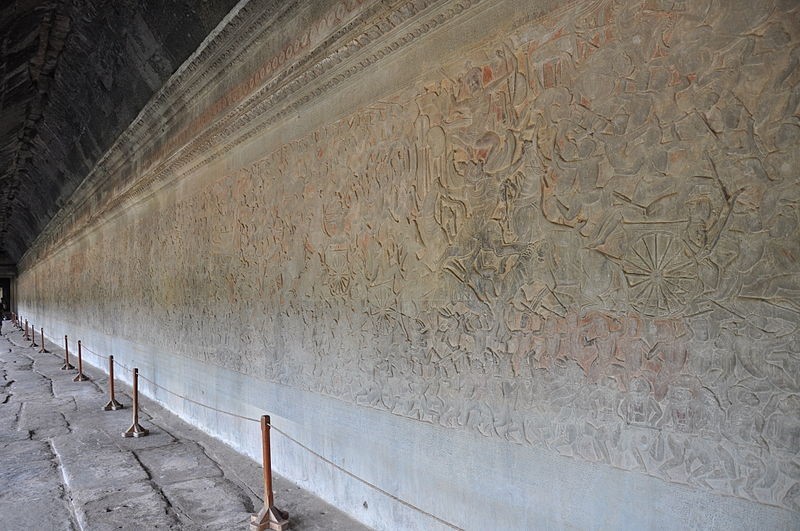
Angkor Wat is not a “check-and-go” spot. The value comes from scheduling around light: arrive pre-dawn for reflection shots and a sacred mood, then take time to explore bas-reliefs, corridors, and wide angles without rushing. This approach delivers both iconic images and a clear, guest-friendly historical narrative.
2) Angkor Thom + Bayon: stone faces and Khmer identity
Bayon is the second signature image of Angkor—its many stone faces define “ancient Khmer” visually. It suits guests who love architecture and portrait-style photography, and it supports deeper storytelling about the former imperial capital.

3) Ta Prohm: jungle temple roots that create a different dimension
Ta Prohm is beloved for its raw jungle atmosphere and tree roots enveloping the ruins. It adds a light “adventure” layer to the trip and fits content themes often associated with adventure tours in Cambodia, without requiring serious hiking.
4) Preah Khan: the “not everyone does this” differentiator
Including a secondary temple such as Preah Khan (or comparable sites based on pacing) immediately upgrades the program from a generic route to a “guide-led, insider” route. It helps avoid peak congestion and adds continuity to the Khmer empire storyline beyond viral checkpoints.
5) Banteay Srei: stone artistry for culture and history lovers
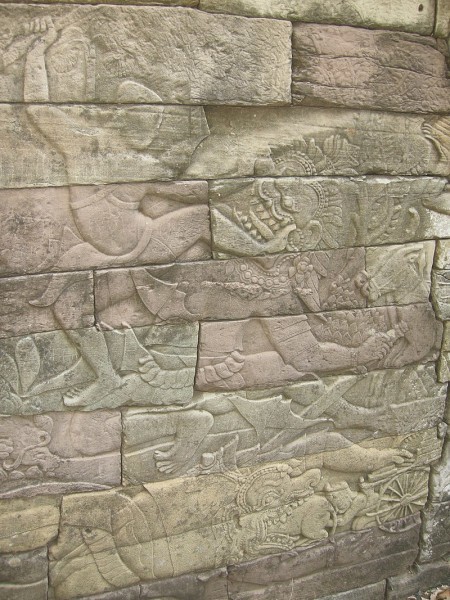
Banteay Srei stands out for its fine carvings and distinctive stone color. It’s a high-value highlight for art and history-focused travelers, strengthening the theme of “major historical sites in Cambodia” in a way guests can see and feel.

6) Phnom Kulen: nature as a reset from temple touring
For guests who want “Cambodia adventure travel” at a comfortable level, Phnom Kulen adds a nature break—forest and waterfalls—creating variety and reducing “temple fatigue” during longer Siem Reap programs.
7) Tonle Sap Lake tours: real life beyond postcard Cambodia
Tonle Sap is essential for understanding Cambodia’s geography and daily economy. A half-day floating village visit shifts the trip from “heritage viewing” to “living Cambodia,” making it suitable for education-oriented groups, families, and corporate trips.
8) Siem Reap city: markets, Pub Street, cafés, and spa recovery
Siem Reap city is an operational advantage: it supports everything from backpacking routes to high-end hotels and spa recovery. City time helps guests truly rest after a heavy Angkor day and keeps the overall trip sustainable.

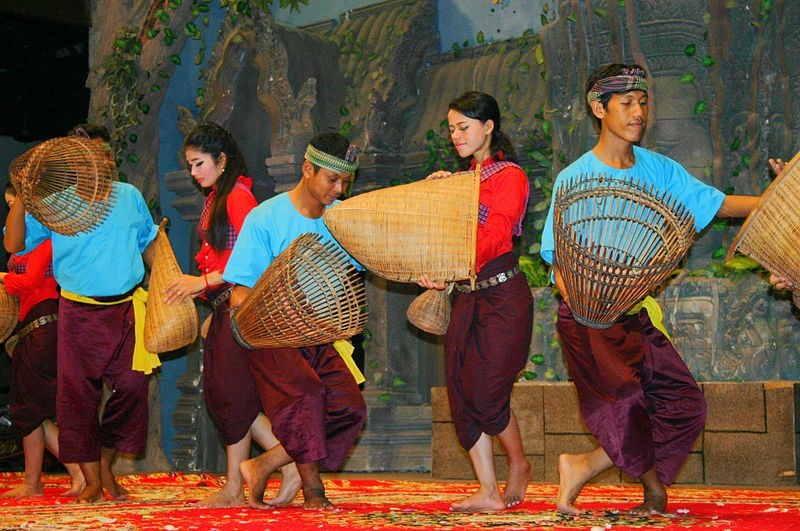
9) Khmer culture tours: Apsara, crafts, and Khmer cuisine
Cultural components—Apsara performance or community-based activities—turn “Khmer culture tours” into a tangible experience. This adds story and memory beyond simple check-ins and photographs.
10) Extension Cambodia: Phnom Penh / Mekong / beach add-ons
Even when Siem Reap is the core, offering extension options (Phnom Penh tours, Mekong river tours, or beach tours in Cambodia) improves conversion for guests who want longer, better-value itineraries after flying in.
Sellable itinerary structures (Siem Reap tour packages)
3D2N: Angkor Wat + Angkor Thom/Bayon + Ta Prohm + Siem Reap city
4D3N: add Banteay Srei or Preah Khan + half-day Tonle Sap
5D4N: add Phnom Kulen + Khmer culture (Apsara/community)
6–7 days: extend to Phnom Penh or Mekong route, aligned to Cambodia adventure travel or luxury travel Cambodia positioning
FAQ
Q1: When is the most comfortable season to walk Angkor, and when is the best time to visit Siem Reap?
A: The dry season Oct–Apr is generally the most comfortable for full-day Angkor Wat tours because rainfall is lower. Nov–Feb often feels easier for long walking days due to reduced humidity, while Mar–May is hotter and requires stronger midday break planning and hydration to maintain trip quality.
Q2: What should guests prepare to avoid fatigue and still get great photos at Angkor?
A: Recommend cushioned walking shoes, hat/sunscreen/sunglasses, water, sweat towel, and modest clothing covering shoulders and knees for sacred areas. A professional timing plan—early light, midday rest, late-day return—helps guests capture strong images without burning out mid-trip.

Q3: How should guests plan tips for guide and driver in Cambodia tour packages?
A: The simplest approach is preparing small notes and tipping based on trip length and service quality. For private arrangements with close guide support, either daily tipping or a consolidated end-of-trip tip works—set a budget early to keep Cambodia tour packages financially predictable.
Q4: What is the most convenient internet setup in Siem Reap?
A: eSIM or roaming is the easiest for instant access to maps, contacting the guide, and sharing content. Connectivity is generally fine in town, but can fluctuate around temple zones or rural areas; offline maps and a power bank help ensure smooth touring.
Q5: What souvenirs are best in Siem Reap for budget travel vs. luxury travel Cambodia?
A: Budget travelers often choose compact items like scarves, crafts, and sealed snacks. Premium travelers may prefer higher-quality handicrafts from reputable shops with clear provenance. Always check stitching/finish/material smell and keep receipts for confidence.
Q6: What local food is recommended, and what should sensitive stomachs watch for?
A: Khmer cuisine offers freshwater fish dishes, soups, and stir-fries that are often not overly spicy, plus many international options. For sensitive stomachs, avoid questionable ice/raw items, drink bottled water, and carry personal medication to stay comfortable throughout temple tours in Cambodia.
Q7: What are the must-do highlights for first-time Siem Reap visitors?
A: The core set is Angkor Wat (morning), Bayon (stone faces), Ta Prohm (tree-root jungle temple), plus at least one “outside-the-temples” experience such as Tonle Sap Lake tours or an Apsara cultural program to complete the story in one trip.
Q8: What power plugs are used in Cambodia, and should guests bring an adapter?
A: Cambodia uses 230V 50Hz, commonly with plug types A, C, and G. A universal adapter is recommended, especially for groups with multiple devices and varying hotel outlet types.
Q9: What currency is used in Cambodia, and is it easy to exchange or use cards?
A: The official currency is KHR, but USD is widely accepted in many areas. USD is often used for larger payments, with change given in KHR, so carry small notes and organize cash to avoid confusion when paying.

Q10: How should guests manage safety and belongings in crowded tourist areas?
A: In markets and city areas, keep valuables secure (front-carry bags), separate cash into small portions, and avoid displaying large amounts. In temple zones, be careful with uneven surfaces and slippery stone steps, especially after rain or early morning moisture.
Q11: If traveling Cambodia backpacking style, how should the route be planned for value?
A: A strong value structure is 3–4 nights in Siem Reap for Angkor plus Tonle Sap, then 1–2 nights in Phnom Penh, or continuing along Mekong routes. Proper rest pacing matters because Angkor walking days are often more demanding than travelers expect.
Q12: What upgrades define a true luxury travel Cambodia version of Siem Reap?
A: The real upgrades are not just price—focus on higher-quality hotels/transport, strong-communication guide service, better dining, spa recovery, and scheduling photos around the best light while selecting less crowded secondary sites. This creates a genuinely premium feel rather than a “priced-up” standard tour.
Q13: How many days are ideal for Siem Reap without rushing?
A: 3D2N works for core temples, but for better photo quality, local life elements, and real rest, 4D3N or 5D4N is more balanced—especially if adding Tonle Sap plus Banteay Srei and/or Phnom Kulen for an adventure tours in Cambodia dimension.

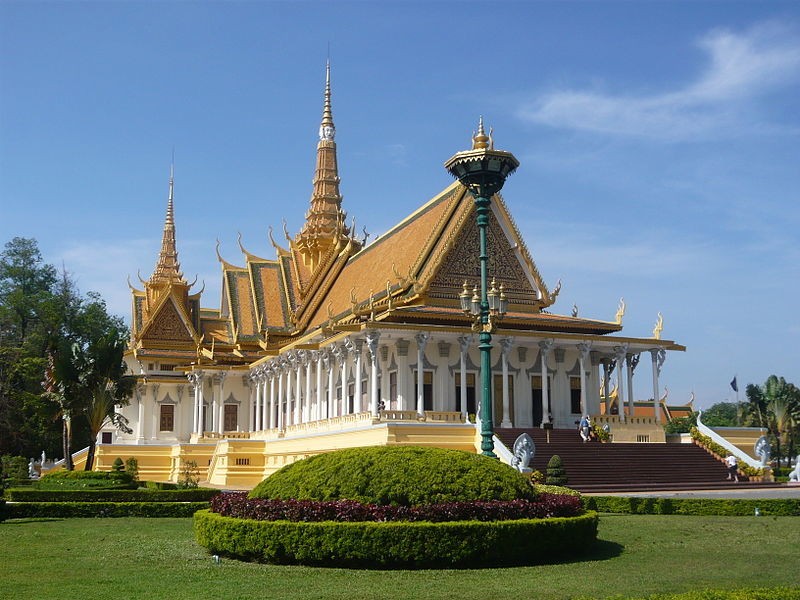
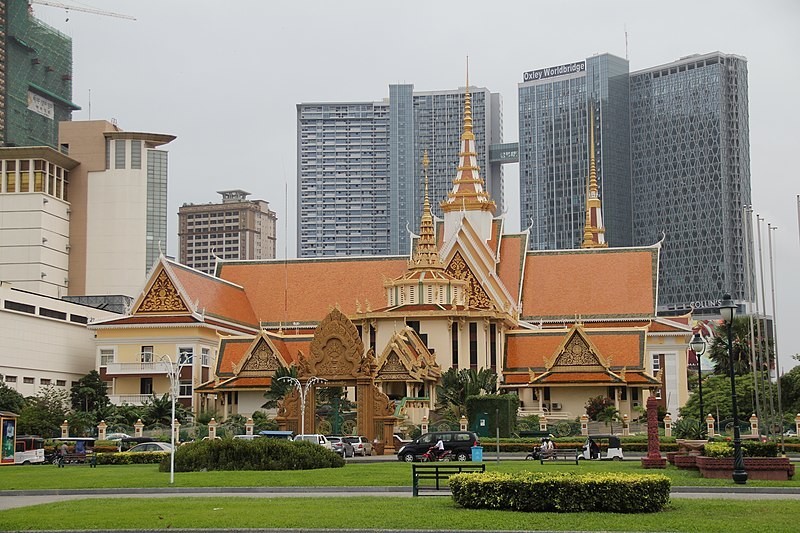
Phnom Penh is the capital and most populous city of Cambodia. It has been the national capital since the French protectorate of Cambodia and has grown to become the nation's primate city and its economic, industrial, and cultural centre. Phnom Penh succeeded Angkor Thom as the capital of the Khmer nation but was abandoned several times before being reestablished in 1865 by King Norodom.
The city formerly functioned as a processing center, with textiles, pharmaceuticals, machine manufacturing, and rice milling. Its chief assets, however, were cultural. Institutions of higher learning included the Royal University of Phnom Penh (established in 1960 as Royal Khmer University), with schools of engineering, fine arts, technology, and agricultural sciences, the latter at Chamkar Daung, a suburb. Also located in Phnom Penh were the Royal University of Agronomic Sciences and the Agricultural School of Prek Leap.
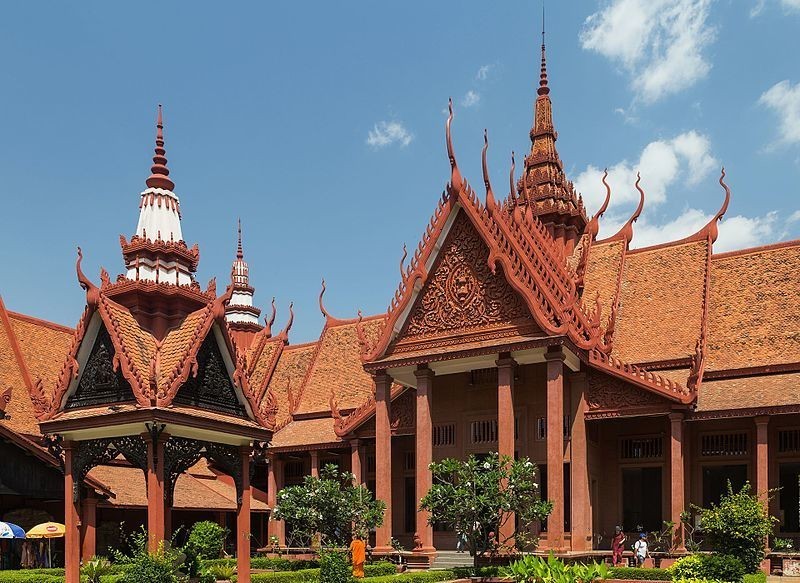
The city was nicknamed the "Pearl of Asia" for its early 20th century colonial French architecture, which included Art Deco works. Phnom Penh, along with Siem Reap and Sihanoukville, are significant global and domestic tourist destinations for Cambodia. Founded in 1372, the city is noted for its historical architecture and attractions. It became the national capital in 1434 following the fall of Angkor, and remained so until 1497. It regained its capital status during the French colonial era in 1865. There are a number of surviving colonial-era buildings scattered along the grand boulevards.
On the banks of the Tonlé Sap, Mekong, and Bassac Rivers, Phnom Penh is home to more than 2 million people, approximately 14% of the Cambodian population. The Greater Phnom Penh area includes the nearby Ta Khmau city and some districts of Kandal province
Contact
Indochina Explorer (Thailand) Co., Ltd.
Tour License: 11/11211 | Established 1997
Hotline: 081-870-6343
Office: 02-814-9685
LINE: indochina_thailand
LINE OA: @stq9914p
Email: indochinaexplorer99@gmail.com
Website: indochinaexplorer.com
Telegram: +66818706343
Office Address: 973/4 Ma Charoen Rd., Nong Khaem, Bangkok 10160, Thailand
Hotline / WhatsApp / Telegram +66 81 870 6343
Facebook Indochina Explorer Thailand
YouTube @indochinaexplorer9477
Google Maps Indochina Explorer Office Location
Cambodia
Siem Reap, Cambodia Tours
Angkor Wat Tours, Khmer Culture Tours, and Tonle Sap Lake Tours — An Answer-Style Guide

Why Siem Reap is the best starting point for Cambodia tours
If you’re looking for a Cambodia travel guide that takes you straight to the core of Khmer civilization, Siem Reap is the most cost-effective and experience-rich starting point. It brings together Angkor Wat tours, the wider Angkor Archaeological Park, immersive Khmer culture tours, community life along Tonle Sap Lake tours, and a city infrastructure that supports every travel style—from Cambodia backpacking and Cambodia budget travel to luxury travel Cambodia—all in one destination.
What to realistically expect (Experience) and what good tour design looks like (Expertise)
Siem Reap is naturally a high-walking, high-sun destination—especially in temple zones—so professional pacing matters. A reliable pattern is early start – midday break – late-afternoon return to keep guests comfortable and photos strong.
“Doing Angkor properly” is not about cramming sites—it’s about timing for light and crowd flow: sunrise at Angkor Wat, morning portraits at Bayon, afternoon at Ta Prohm, and sunset at Pre Rup or another elevated viewpoint depending on weather.
A strong itinerary balances temples – local life – food – markets – culture, instead of spending the entire day inside ruins until the group is exhausted.
Best time to visit Cambodia and when to travel to Siem Reap
Overall, the dry season (Oct–Apr) is the most popular time for Cambodia because rainfall is lower, temple touring is more comfortable, and photography conditions are more consistent. For Siem Reap, Nov–Feb is often considered the most comfortable window for longer walking days (still warm, but generally less humid than the rainy season). Mar–May is significantly hotter, but can be less crowded at times and offers punchier, high-contrast sunlight—provided the group prepares well.

Plan a multi-country journey: compare Thailand, Cambodia, Laos and Vietnam itineraries.