


Updated 17 September 2026
Laos Tours 2026–2027: Vientiane, Vang Vieng, Luang Prabang, Festivals & Laos–China Railway
Explore Laos with a route designed around your available days, travel style and the places you actually want to experience. Indochina Explorer connects Vientiane, Vang Vieng, Luang Prabang, Xieng Khouang, Muang Fuang, Southern Laos and Laos–China Railway journeys with private tour planning and real Laos tour programs.
Vientiane · Vang Vieng · Luang Prabang · Xieng Khouang · Plain of Jars · Muang Fuang · Pakse · Bolaven Plateau · Vat Phou · Si Phan Don
Indochina Explorer (Thailand) Co., Ltd. has operated since 1997 and arranges FIT, private travel, family tours, GIT, corporate and incentive travel, MICE, student travel and customized journeys throughout Laos and Southeast Asia.
Quick Answer: Where Should You Go in Laos for the First Time?
For most first-time travelers, Vientiane → Vang Vieng → Luang Prabang is one of the most practical and balanced Laos routes.
It combines the capital and major cultural landmarks, limestone mountain scenery in Vang Vieng and the historic Buddhist atmosphere of Luang Prabang. Selected sectors can be connected by the Laos–China Railway, subject to the actual timetable and ticket availability.
If history and archaeology are important, add Xieng Khouang and the Plain of Jars. For a quieter rural journey, consider Muang Fuang.
For waterfalls, coffee landscapes, Khmer heritage and Mekong islands, choose Southern Laos as a separate route.
Where to Go in Laos
Vientiane
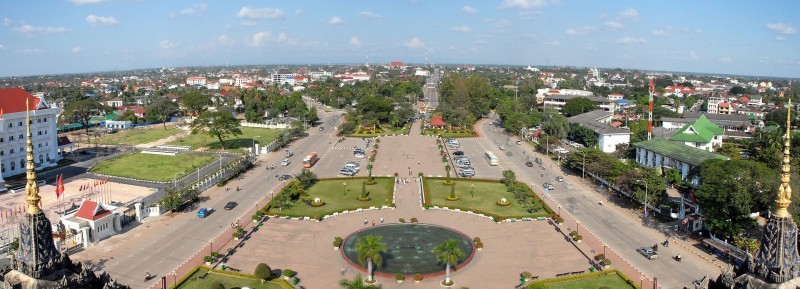
Vientiane is the capital of Laos and a practical starting point for first-time visitors, private groups entering from Thailand and travelers beginning a northern Laos journey.
Key interests include Pha That Luang, Patuxay, Buddhist temples, local markets and the Mekong riverside.
Vang Vieng
Vang Vieng is surrounded by limestone mountains and river landscapes. It suits travelers interested in scenery, viewpoints, cafés and outdoor experiences.
Its position between Vientiane and Luang Prabang makes it particularly useful for a multi-city railway itinerary.
Luang Prabang
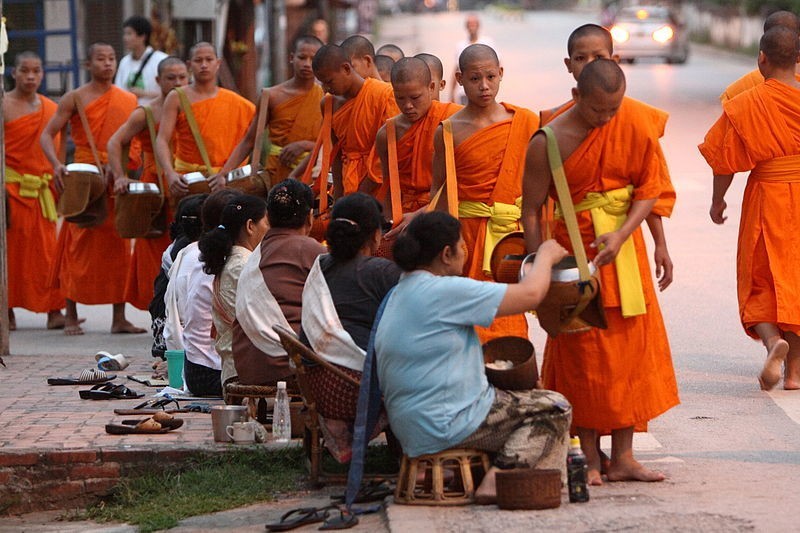
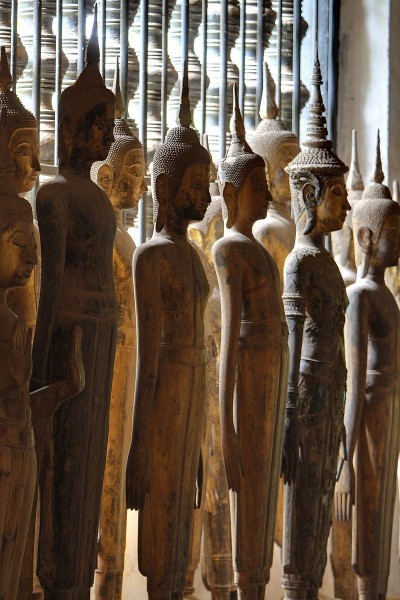
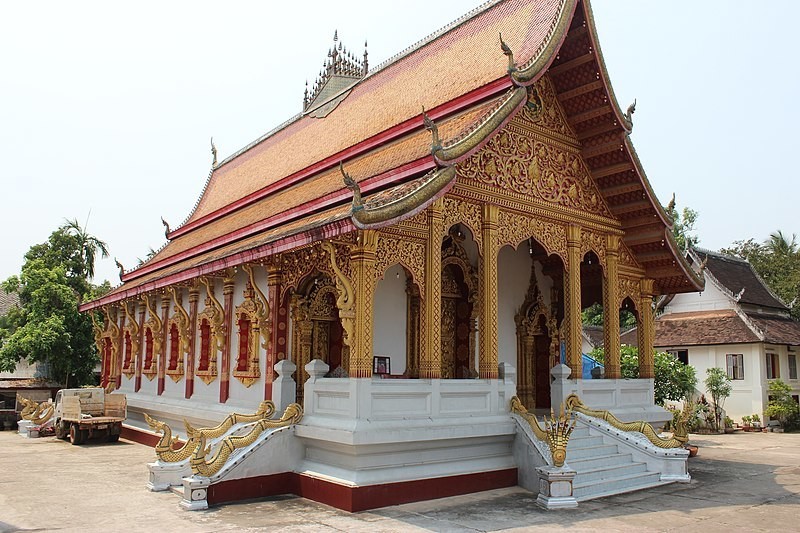
Luang Prabang combines Buddhist heritage, historic architecture, local markets, Mekong and Nam Khan scenery and nearby natural attractions.
It is particularly suitable for travelers interested in culture, heritage and a slower travel pace.
Xieng Khouang & Plain of Jars
Xieng Khouang adds archaeology, history and landscapes that are very different from the main Vientiane–Vang Vieng–Luang Prabang corridor.
Route idea: Vientiane → Xieng Khouang → Plain of Jars → Luang Prabang
Muang Fuang
Muang Fuang is suitable for travelers who prefer a quieter rural setting and want an alternative to the best-known Laos circuit.
It works particularly well with Vang Vieng and Vientiane in a short private itinerary.
View Vientiane–Vang Vieng–Muang Fuang Tour
Southern Laos
Southern Laos offers a completely different travel experience through Pakse, Champasak, Vat Phou, the Bolaven Plateau, waterfalls and Si Phan Don.
A typical nature-focused route can include Pakse → Vat Phou → Si Phan Don → Khone Phapheng → Pakxong → Tad Yuang → Tad Fane .
For short holidays, Southern Laos is normally better planned as its own route rather than combining it with Luang Prabang.
When Is the Best Time to Visit Laos?
There is no single best month for every traveler. The better approach is to choose the travel period according to the region, route, weather expectations and experience you want.
| Period | Good For | Planning Notes |
|---|---|---|
| September | Green scenery, waterfalls and cultural travel | Allow flexibility for rain and outdoor activities. |
| October–November | Northern Laos, culture, festivals and multi-city journeys | Useful period for Vientiane, Vang Vieng and Luang Prabang. |
| December–February | Heritage, photography and longer touring | Upland areas may feel cooler in the morning and evening. |
| March–April | City travel and traditional festival periods | Temperatures can become high, so itinerary pacing matters. |
| May–August | Green landscapes and waterfall travel | Weather and road conditions should be checked near departure. |
Weather conditions vary between northern, central and southern Laos. Always check the actual destination and travel date rather than relying on one country-wide forecast.
Laos Festival Planner: September–November 2026
Travelers visiting Laos during late September, October and November can combine a regular sightseeing route with several important cultural festivals.
26 September 2026 — Boun Khao Salak
A Buddhist merit-making tradition associated with offerings and remembrance of ancestors. Travelers should treat religious activities respectfully and allow temples and local communities to conduct ceremonies without disruption.
26 October 2026 — Boun Ork Phansa
The end of Buddhist Lent is observed in Laos with religious activities and local traditions. It can add a cultural dimension to an October Laos itinerary.
26–27 October 2026 — Lhai Heua Fai, Luang Prabang
The Festival of the Boats of Light is especially relevant for travelers planning Luang Prabang in late October.
A practical itinerary can combine Vientiane → Vang Vieng → Luang Prabang and use railway sectors between the main cities where appropriate.
24 November 2026 — That Luang Festival, Vientiane
Travelers interested in Lao Buddhist culture can plan Vientiane around the That Luang Festival period and then continue toward Vang Vieng or Luang Prabang.
Festival programs and local arrangements can change. Reconfirm the event schedule, hotel availability, transfers and railway seats before finalizing a tour.
Which Laos Festival Route Should You Choose?
| Travel Interest | Start With | Suggested Route |
|---|---|---|
| Boats of Light Festival | Luang Prabang | Vientiane → Vang Vieng → Luang Prabang |
| That Luang Festival | Vientiane | Vientiane → Vang Vieng |
| Festival + Railway | Vientiane | Vientiane → Vang Vieng → Luang Prabang |
| Waterfalls + Coffee | Pakse | Pakse → Bolaven Plateau → Tad Yuang → Tad Fane |
| Mekong + Heritage | Champasak | Vat Phou → Si Phan Don → Khone Phapheng |
Laos–China Railway: How to Use It in a Laos Tour
Vientiane → Vang Vieng → Luang Prabang → Boten → China
The Laos–China Railway is now an important part of northern Laos route planning. For most leisure travelers, its strongest value is connecting Vientiane, Vang Vieng and Luang Prabang.
Longer cross-border itineraries can continue toward Boten and southern China, but require additional planning for rail tickets, station transfers, passport details and immigration procedures.
Train numbers, schedules, ticket availability and operating procedures can change. Build the itinerary around the actual travel date rather than relying on an old timetable.
How Many Days Do You Need in Laos?
3–4 Days
Best for one compact route such as Luang Prabang, Vientiane–Vang Vieng, Vientiane–Vang Vieng–Muang Fuang or a focused Southern Laos journey.
5–6 Days
A practical duration for Vientiane–Vang Vieng–Luang Prabang or Vientiane–Xieng Khouang–Luang Prabang.
7–9 Days
Suitable for a slower northern journey, additional nature experiences or a carefully planned Laos–China extension.
10 Days or More
Useful for broader Laos exploration or a multi-country Indochina journey.
Choose a Laos Route by Travel Style
Classic First-Time Laos
Vientiane → Vang Vieng → Luang Prabang
A balanced route combining capital-city culture, mountain scenery and Luang Prabang heritage.
History & Archaeology
Vientiane → Xieng Khouang → Plain of Jars → Luang Prabang
Easy Short Private Trip
Vientiane → Vang Vieng → Muang Fuang
Suitable for travelers who want scenery and a quieter destination without covering too many distant cities.
Southern Laos Nature Route
Pakse → Bolaven Plateau → Vat Phou → Si Phan Don
Best for travelers interested in waterfalls, coffee landscapes, Khmer heritage and the Mekong.
Private Family Travel
Use fewer hotel changes, reasonable transfer times and a sightseeing pace suitable for children and older family members.
Corporate, MICE & Study Groups
Routes can be adapted for company travel, incentive programs, educational objectives, study visits, meetings and coordinated group logistics.
Real Laos Tour Inventory
Indochina Explorer maintains Laos tour programs that can be used as a starting point for private and group route planning.
Final operating dates, hotels, vehicles, guides, railway seats, inclusions and quotations should be reconfirmed for the requested departure.
Vientiane–Vang Vieng–Muang Fuang
A compact route for travelers who want scenery and a quieter destination.
How to Choose the Right Laos Tour
| If You Want... | Start With... | Consider Adding... |
|---|---|---|
| First trip to Laos | Vientiane + Vang Vieng + Luang Prabang | Railway sectors |
| Culture & heritage | Luang Prabang | Xieng Khouang |
| Mountains & nature | Vang Vieng | Muang Fuang |
| History & archaeology | Plain of Jars | Luang Prabang |
| Waterfalls | Pakse | Bolaven Plateau |
| Mekong scenery | Champasak | Si Phan Don + Khone Phapheng |
| Cross-border railway | Vientiane | Luang Prabang + Southern China |
| October festival | Luang Prabang | Vang Vieng + Railway |
| November festival | Vientiane | That Luang + Vang Vieng |
Continue Your Indochina Journey
Laos can work as a stand-alone destination or as part of a wider Southeast Asia journey. For longer trips, compare neighboring-country routes before adding another border crossing.
Thailand
Useful for Nong Khai–Vientiane connections and wider Thailand–Laos private journeys.
Vietnam
A natural extension for travelers planning a wider Indochina itinerary.
Cambodia
Suitable for longer journeys combining Laos with Siem Reap, Phnom Penh or other Cambodian destinations.
Indonesia
Useful for travelers comparing mainland Southeast Asia with culture, volcano and island journeys.
Philippines
Compare Laos with city, island and nature-focused journeys in the Philippines.
Why Travel with Indochina Explorer?
Indochina Explorer (Thailand) Co., Ltd. has operated since 1997.
We work with private travelers, families, FIT, GIT, corporate groups, incentive travel, MICE, student groups and study visits across Laos and Southeast Asia.
A workable Laos tour requires more than a list of attractions. Road transfers, railway sectors, station access, hotels, guides, meals, sightseeing time, border procedures and the actual pace of the group must fit together.
Tour Operator License 11/11211
Frequently Asked Questions About Laos Tours
1. What is the best Laos route for a first trip?
Vientiane, Vang Vieng and Luang Prabang form one of the most balanced routes because they combine culture, nature and heritage.
2. How many days should I spend in Laos?
Three to four days works for a compact route. Five to six days is more practical for a multi-city northern itinerary.
3. Luang Prabang or Vang Vieng: which should I choose?
Choose Luang Prabang for heritage, temples and culture. Choose Vang Vieng for mountains, river scenery and outdoor experiences.
4. Can I travel from Vientiane to Vang Vieng and Luang Prabang by train?
Yes. Selected sectors can use the Laos–China Railway, subject to timetable and ticket availability.
5. Is Muang Fuang worth visiting?
Muang Fuang is useful for travelers seeking a quieter rural atmosphere, particularly when combined with Vang Vieng and Vientiane.
6. Is the Plain of Jars worth adding?
It is particularly relevant for travelers interested in archaeology, history and less conventional Laos routes.
7. Should Southern Laos be combined with Luang Prabang on a short trip?
Usually not. For limited travel time, Southern Laos is normally more practical as a separate route.
8. What are the main destinations in Southern Laos?
Pakse, Champasak, Vat Phou, Bolaven Plateau, Tad Yuang, Tad Fane, Si Phan Don and Khone Phapheng are among the key destinations used in Southern Laos itineraries.
9. When is the Boats of Light Festival in Luang Prabang in 2026?
The Tourism Laos 2026 calendar lists Lhai Heua Fai in Luang Prabang for 26–27 October 2026. Travel arrangements should still be reconfirmed before departure.
10. When is That Luang Festival in Vientiane in 2026?
The Tourism Laos 2026 event calendar lists That Luang Festival and Trade Fair for 24 November 2026.
11. Can a Laos festival be combined with a railway trip?
Yes. For example, an October itinerary can combine Vientiane, Vang Vieng and Luang Prabang, using railway sectors where suitable.
12. Can Laos tours be customized for families and seniors?
Yes. Hotel changes, vehicle type, guide, meals, walking distance and sightseeing pace can be adapted to the group.
13. Can Laos be combined with Thailand?
Yes. Thailand–Laos journeys can use Nong Khai–Vientiane connections, depending on the itinerary and border arrangements.
14. Can the Laos–China Railway be used for a cross-border trip?
Cross-border rail journeys can be planned toward southern China, subject to train operations, ticket availability and immigration requirements for the actual travel date.
15. Can Indochina Explorer arrange private and group tours?
Yes. Routes, hotel category, vehicle, guide, meals, railway sectors and sightseeing pace can be adapted to private, family and group requirements.
Request a Laos Tour Plan
Send us: Travel date · Number of travelers · Departure point · Number of days · Destinations · Hotel level · Children or senior travelers · Private or group travel
Indochina Explorer can adjust hotels, vehicles, guides, meals and itinerary pacing to suit the group size, travel dates and budget.
Indochina Explorer (Thailand) Co., Ltd.
Tour Operator Since 1997
Tour Operator License 11/11211
Office: +66 2 814 9585
Hotline / WhatsApp / Telegram: +66 81 870 6343
Email: indochinaexplorer99@gmail.com
LINE ID: indochina_thailand
LINE OA: @stq9914p